

We cannot promise that. In somatosensory tinnitus, treating the jaw, the neck and the craniofacial muscles can help reduce its intensity or the discomfort it causes you, but the response varies greatly from person to person. After the assessment we explain what can be expected in your case.

Tinnitus
Tinnitus is the perception of a sound—such as a ringing or buzzing—in the absence of an external source; typically, it is heard only by the person experiencing it. It can be caused by various factors, including hearing loss, middle or inner ear issues, neurological conditions, emotional factors, or sensory disturbances in the neck and jaw.
In many cases, physical therapy can help reduce the impact of tinnitus on daily life, particularly when the condition is linked to the neck or jaw (somatosensory tinnitus).
When can craniofacial physiotherapy help you?
Tinnitus is the perception of a sound without an external source. When it is related to the neck or jaw, physical therapy can help reduce its impact on daily life.
- Tinnitus that changes when you clench your teeth or move your jaw.
- Tinnitus that changes with neck movements or postures.
- Tinnitus accompanied by jaw or TMJ pain.
- A feeling of a blocked ear without a hearing problem to explain it.
- Tinnitus associated with neck pain or headaches.
- Tinnitus that gets worse with stress or poor sleep.
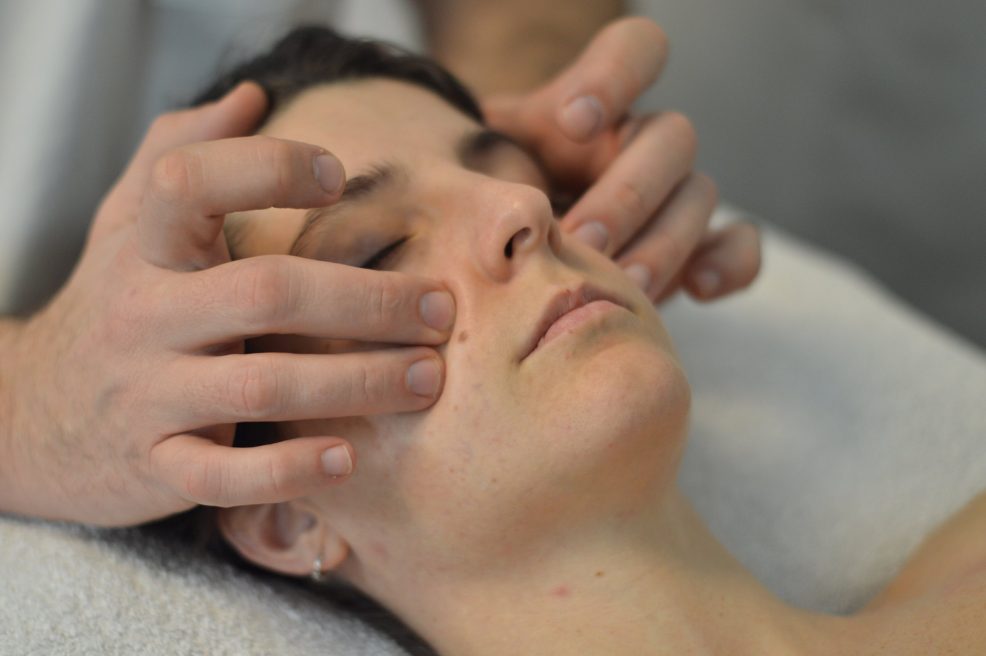
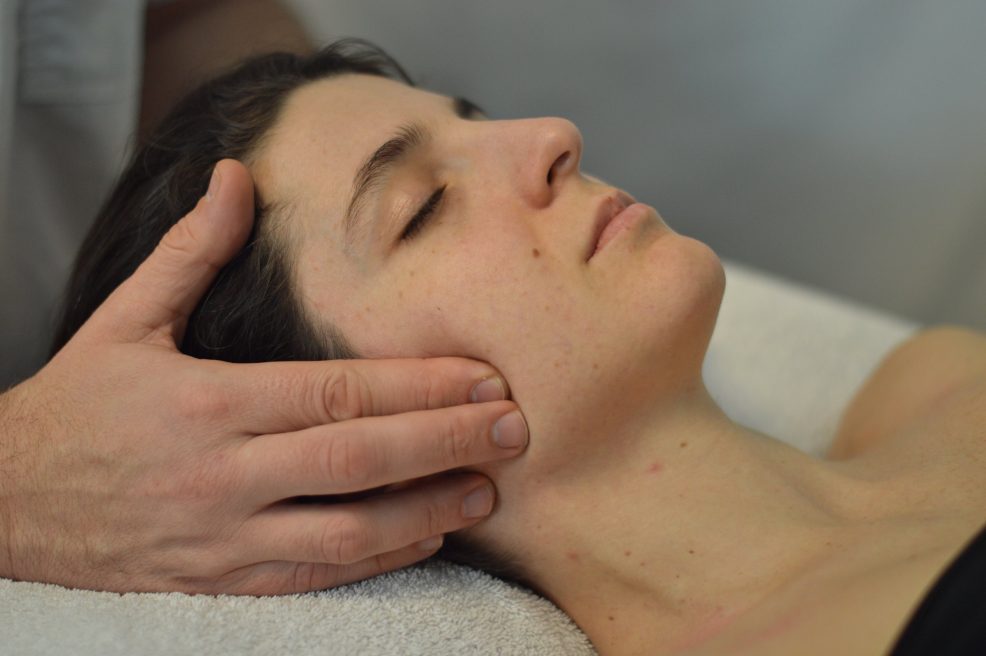
Understanding the origin of the problem is the first step
First of all, tinnitus must have been assessed by an ENT specialist. With that assessment, we examine whether the sound changes with the jaw, the neck or the head muscles, and whether it coexists with a temporomandibular disorder, neck pain or bruxism.
This way we know whether physiotherapy can help you and which goals are realistic in your case.
- Review of audiological tests and medical reports.
- Examination of the jaw, the neck and the craniofacial muscles.
- Treatment and education to manage the symptoms.
Request a specialised assessment by professionals
First visit
-
Duration
Approx. 90 min
-
First visit
85 €
Follow-up visit
70 €
Visit Packs
Contact us
-
What’s included
Assessment, examination and personalised treatment plan.
Specialised physiotherapy for craniofacial pain
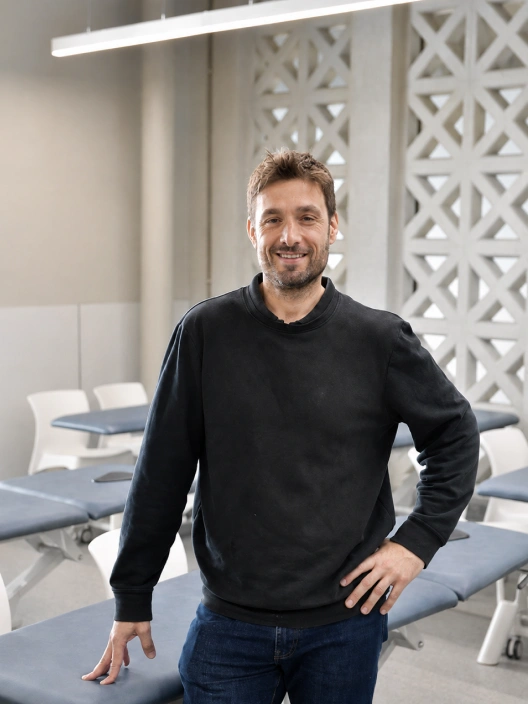
Cristian Justribó Manion
Cristian Justribó Manion specialises in orofacial pain, temporomandibular disorders and craniofacial rehabilitation. He combines clinical work with doctoral research and university teaching.
Frequently asked questions
FAQ
The ear, the temporomandibular joint and the chewing muscles are very close together and share nerve connections. This is why some people with temporomandibular disorders notice that their tinnitus changes when they clench their teeth or move their jaw, a sign that the somatosensory component may be important.
Partners




Contact us. Book an appointment.
-
C/ Pau Claris, 115
L’Eixample, 08009 Barcelona -
Opening hours: 9:00 to 18:00


