

Orofacial pain

Most orofacial pain originates from dental issues. Once a dentist has ruled these out, pain in the face, inside the mouth, or in the head may stem from the musculoskeletal system—such as the muscles used for chewing, the temporomandibular joint, or the cervical (neck) region, among other structures.

Book a first visit

When can orofacial physiotherapy help you?

Pain in the jaw, face, or ear area can affect your speech, chewing, rest, and overall quality of life. A clinical assessment helps identify contributing factors and allows for the development of a treatment plan tailored to your specific needs.

  • Pain or fatigue in the jaw, cheeks, or temples
  • Tooth or gum pain with no dental cause
  • Pain around the ear
  • Pain when chewing, speaking, or yawning
  • Facial pain that persists after dental treatment
  • Facial pain accompanied by headache or neck pain
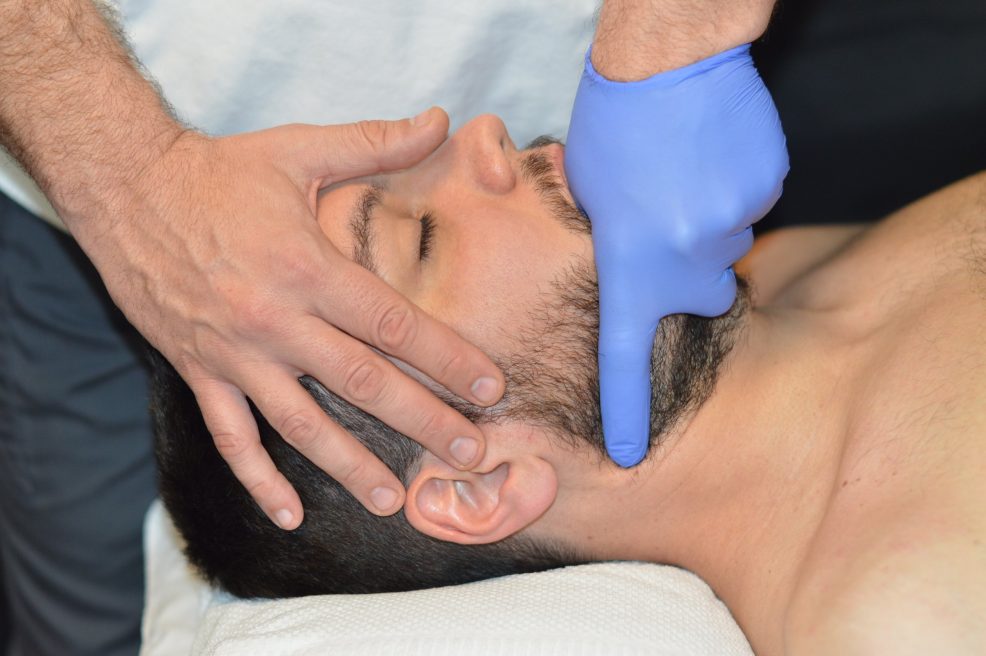
Physiotherapist wearing a glove palpating a patient's jaw
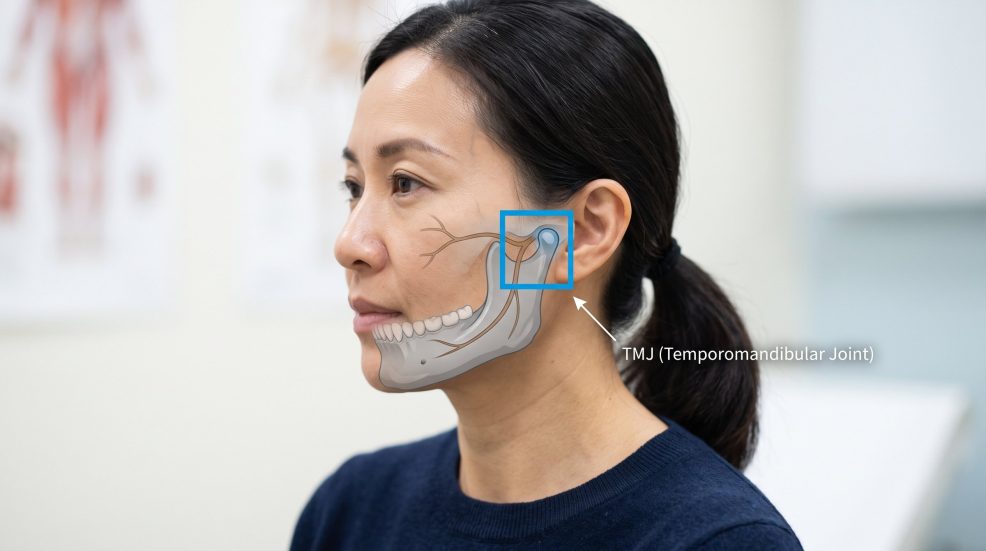
Illustration of the temporomandibular joint over a woman's profile

A thorough assessment is the first step

During your first visit, we carry out a comprehensive clinical assessment to understand the history of your pain and analyze jaw, neck, and orofacial function. We also take into account the physical, functional, and psychosocial factors that may influence your symptoms.

  • Detailed clinical interview
  • Physical and functional examination
  • Physiotherapy diagnosis and treatment plan agreed with you
Book Appointment

Request a specialised assessment by professionals

First visit

  • Duration

    Approx. 90 min

  • First visit

    85 €

    Follow-up visit

    70 €

    Visit Packs

    Contact us

  • What’s included

    Assessment, examination and personalised treatment plan.

Specialised physiotherapy for craniofacial pain

Cristian Justribó Manion

Cristian Justribó Manion specialises in orofacial pain, temporomandibular disorders and craniofacial rehabilitation. He combines clinical work with doctoral research and university teaching.

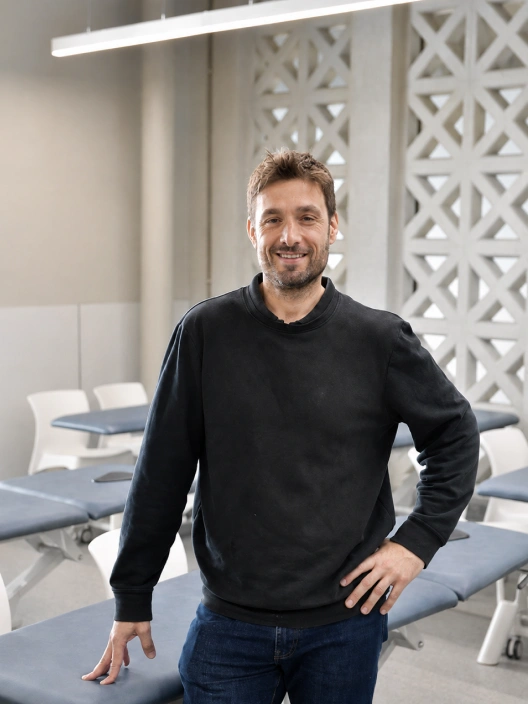
Cristian Justribó Manion, physiotherapist specialising in orofacial pain, in the treatment room

Frequently asked questions

FAQ

It is not essential. You can book an appointment directly and we will assess your case at the first visit. If you have medical or dental reports, imaging or details of previous treatments, bring them along: they help us understand how the problem has evolved.

If during the assessment we find any sign that needs to be looked at by another professional, we will explain it to you and refer you to the appropriate specialist.


Yes. A splint and physiotherapy are not mutually exclusive: in many cases they complement each other. While your dentist prescribes and adjusts the splint, physiotherapy works on jaw and neck function, the muscles and pain management through manual therapy, exercise and education.

If you need it, we coordinate with your dentist so that both treatments work towards the same goals.

It depends on each case: on how long you have had the pain, how intense it is and the factors that keep it going. After the first visit we propose a plan with specific goals and review your progress at every session to adjust the number of visits to your response, without fixed protocols.

Yes. We see physiotherapy as one part of the interdisciplinary approach to craniofacial pain. We work with dentists, TMJ specialists, maxillofacial surgeons, ENT specialists, neurologists and speech and language therapists, and we share the necessary information, always with your consent.

Partners

  • UManresa – Universitat de Vic – Universitat Central de Catalunya
  • Col·legi de Fisioterapeutes de Catalunya
  • SEDCYDO – Sociedad Española de Disfunción Craneomandibular y Dolor Orofacial

Contact us. Book an appointment.